Pest Control: Valuable Strategies to Defend Your Residence and Company

Pest Control: Powerful Approaches to Shield Your Property and Business
Preface to Pest Control
Pest Control concerns the management or management of species considered as pests – organisms that negatively impact people's activities or environments. In New Jersey, in which different biological communities intersect with metropolitan and built-up growth, potent Pest Control is not simply a extravagance but a necessity for sustaining sanitary dwelling and business spaces. From the far-reaching neighborhoods of Monmouth County to the integrated residential areas of Matawan, pest invasions can impact any individual, regardless of how clean or carefully tended their residence may be.
The significance of using useful Pest Control strategies cannot be overemphasized. For homeowners, pests can deteriorate constructional integrity, spoil food sources, and establish significant health risks. Companies confront these same hurdles, with the supplementary unease of status harm and probable loss of clients if outbreaks are uncovered. Ordinary pests in New Jersey encompass rats and mice like rats and mice, different bugs such as ants, cockroaches, and bed bugs, and the remarkably damaging termites that can inaudibly undermine a building's support structure.
The Rationale Pest Control Is Essential
Health Threats of Pest Control Methods
Multiple pests contain and communicate illnesses that can afflict persons and pets. Vermin are known transmitters of hantavirus, salmonella, and leptospirosis. Cockroaches can trigger asthma occurrences and allergic effects, especially in juveniles. Ticks, common in New Jersey's woodland locations, are distinguished for disseminating Lyme disease, while mosquitoes can carry West Nile virus and Eastern Equine Encephalitis. Professional Pest Control aids diminish these health perils by getting rid of the origin of these potential disease vectors.
Real Estate Impairment in Pest Control
The constructional harm triggered by pests can be considerable and expensive. Termites alone create over $5 billion in home damage per year within the United States, with New Jersey homes being particularly defenseless due to the state's weather. Rodents can bite through electronic circuitry, generating fire risks, while their ongoing chewing can damage padding, pipes, and wooden foundational parts. Even apparently safe ants can weaken wooden structures if neglected unaddressed, specifically carpenter ants which are prevalent in Monmouth County.
Fiscal Ramifications of Pest Control Services
Dismissing pest issues can trigger important budgetary consequences. What could initiate as a small invasion needing straightforward procedure can swiftly amplify into a considerable complication necessitating exhaustive repair. For firms, especially those in the food trade or tourism businesses, pest issues can produce failed health examinations, momentary stoppages, and permanent harm to status and consumer trust. Allocating resources in routine Pest Control is not merely about prompt comfort—it's a ongoing pecuniary defense.
Pest Control: Common Domestic and Business Pests
Small Mammals (Rats and Mice)
When it concerns identifying rodent invasions in your New Jersey home, carefulness is essential. You can detect excrement near food provisions, in cabinets, or beneath sinks. Nibble marks on food containers, lumber, and electrical cables are indicative symptoms of their being. At night, you may catch clawing clamors in walls, top boundaries, or beneath floors as these night-time animals grow lively. If you discover habitats created from ripped stationery, textile, or dehumidified plant matter, that's a distinct symptom rodents have made themselves home. Slick rub marks across baseboards and partitions emerge as rodents practice the identical paths recurrently, while your pets may show peculiar deportment such as yapping or scratching at regions under equipment or possessions where rodents seek refuge.
Rodents in New Jersey homes and establishments form several perils surpassing only bother. They can contaminate food and making planes with pathogens present in their pee and waste. Their continuous compulsion to chew can injure assets, specifically wiring, which causes fire threats. In Matawan and encircling zones, the Norway rat and house mouse are specifically troublesome, growing well in both built-up and residential locations. Powerful Pest Control measures are vital to manage these damaging encroachers.
Invertebrates (Ants, Cockroaches, Bed Bugs)
Insect infestations present themselves in multiple fashions contingent on the kind. Ant problems evolve into visible when you detect perceptible ant tracks directing to food reserves, or when you locate tiny heaps of ground or wood chips formed by carpenter ants. Cockroach invasions often exhibit themselves through dark dung comparable to coffee grounds or black pepper, a characteristic damp scent that permeates invaded zones, and the existence of egg casings in hidden corners. Bed bug problems manifest as rust-colored dots on mattresses and fixtures, shed skins near resting spots, microscopic blood smudges on sheets, and scratchy red swellings on skin commonly arranged in a string or cluster.
Bugs symbolize the most different class of pests in New Jersey. Cockroaches can activate asthma and sensitivities while spreading numerous germs. Bed bugs, while not disease carriers, bring about marked unease, sleep intrusion, and mental suffering. Particular ant species, like carpenter ants usual in Monmouth County's woodland places, can make framework destruction comparable to termites across time. Trained Pest Control businesses can spot particular insect classes and implement aimed remedy approaches that deal with the specific conducts and sensitivities of each pest.
Termites
Identifying termite presence early necessitates understanding the faint signs of their manifestation. You can see abandoned wings near casements and doors after swarmers have detected a mate and formed a new population. Mud tubes on outside barriers, wooden beams, or in crawl areas serve as shielded highways for these ruinous arthropods. Wood that resonates vacant when patted reveals termites have been feasting from within. Portals and windows that suddenly attach may signal twisting from termite destruction, while split or blistering paint looking like water harm often hides termite activity under. Detecting frass—termite excrement reminiscent of minuscule wood-colored fragments—furnishes another proof of their undesired being.
Termites form perhaps the most important architectural hazard amidst all usual pests. In New Jersey, the Eastern subterranean termite is frequent and especially devastating. These creatures can stay unseen for years while creating extensive injury to lumber structural sections. Homes in Matawan and throughout all of Monmouth County, mainly older properties, are prone to termite problems. The normal expenditure of term pest control.
Pest Control Security Considerations
Safe Application of Pesticides and Products in Pest Control
While pesticides grow necessary in your pest control plan, focusing on protection demands consideration to multiple critical procedures that safeguard persons, animals, and the environment. Always review and comply with product directions precisely, as these legal directions demonstrate comprehensive evaluation and official assessment intended to reduce dangers. Employ the minimum successful volume of pesticide to attain control while reducing excess chemical addition into your home space. Administer chemicals only in zones stated on the label, preventing unauthorized applications that may create unexpected hazards or diminish performance. Don proper safeguarding apparatus as designated by chemical manufacturers to prevent direct interaction during application. House chemicals in their initial containers with labels undamaged to keep entry to protection information and prevent mix-ups. Keep detailed logs of all applications, writing down chemicals used, dilution rates, spots treated, and times of use for subsequent reference. Permit proper drying and air circulation before returning to treated spaces, specifically vital in New Jersey's weather where dampness can affect drying times. Examine less-toxic options when viable, as improvements in pest elimination have generated many lower-toxicity options that maintain performance while decreasing likely dangers.
Protecting Animals and Young ones Throughout Pest Control Services
Specific precautions grow vital when performing pest control procedures in residences with susceptible household members. Move pets throughout service and until spaces are set to prevent close exposure with wet substances or fumes that could create harmful effects. Cover or relocate pet food, drinking dishes, and items before service to prevent contamination that could lead to inadvertent ingestion. Put children's playthings away from treatment locations, specifically things that young kids might put in their mouths. Disinfect and sanitize meal cooking areas after application, even if they weren't directly treated, to eradicate any remains that might have accumulated during service. Maintain kids away from applied areas for the recommended time, prolonging this duration for mobile infants who have more immediate exposure with ground and lower surfaces. Consider animal-friendly and child-safe product alternatives when available, as many recent products focus on specific pest biology while minimizing mammalian harm. Most crucially, inform professional applicators about the presence of pets, children, or expecting home occupants before they develop service plans, permitting them to change techniques and substance choices suitably.
Official Guidelines and Conformity with Pest Control
Pest control in New Jersey works within a regulatory system intended to safeguard public health and the environment while guaranteeing successful pest elimination. The New Jersey Department of Environmental Protection oversees pest elimination procedures, requiring expert pest control organizations to achieve defined criteria. Firms must utilize qualified specialists who have completed state examinations proving skill in pest study, service approaches, and security protocols. These organizations must check here maintain adequate protection protection defending both their professionals and their clients from possible losses or injuries connected with pest management activities. Stringent guidelines oversee pesticide keeping, shipping, and removal to stop natural exposure and illegal access. Experts must provide Safety Data Sheets upon demand, recording the features and risks of products used in services. Notification rules relate for certain treatments, especially in multi-unit dwellings or business spaces with many inhabitants. Detailed service documentation must be upheld, creating an review trail of pest elimination activities. Also, only products approved for use in New Jersey may be lawfully utilized, confirming that regional natural circumstances and ecosystems have been evaluated in the authorization system. For business properties in Matawan and throughout Monmouth County, supplementary requirements may apply relying on the sector, specifically for food service, medical, and child care facilities where pest control intersects with additional community wellness concerns.
Green Pest Control Choices
Comprehensive Pest Control (IPM) Method
Combined Pest Management represents the premium measure in current pest control, centering on sustained deterrence through a mixture of approaches that reduce ecological influence while optimizing efficiency. The IPM procedure commences with complete examination and surveillance to determine pest activity exactly, establishing foundation data about varieties present and amount sizes. This creates accurate recognition of pest kinds, making certain control efforts aim at specific habits and weaknesses rather than employing broad methods. Experts set threshold amounts that warrant action, understanding that the simple occurrence of a limited insects does not necessarily call for treatment if populations continue below destructive levels. When action turns needed, IPM applies several control techniques in unity, generally beginning with minimal-risk methods and increasing only when needed. During the system, experts review success and adjust approaches as necessary, forming a flexible approach reactive to varying environments. Most crucially, IPM focuses on protection over treatment, handling building and surrounding aspects that sustain pest groups rather than simply eradicating active organisms. Many pest control businesses in New Jersey supply IPM-based treatments that coordinate with the area's effort toward reduced-risk pest management approaches, particularly in sensitive environments like educational facilities, healthcare centers, and food manufacturing plants.
Natural Treatment Approaches
Efficient pest control often includes non-chemical methods that can resolve or lower pest problems without bringing substances into the area. Structural barriers such as filters, entrance strips, and filling eliminate pest access fully, handling the problem at its source. Manual devices like catches and blocking systems remove present insects while preventing additional invasions. Natural controls including helpful organisms and bacteria bring organic predators that attack certain pests while keeping advantageous life forms unharmed. Management practices adjust the conditions to prevent organisms, such as adjusting water routines to decrease moisture that attracts some insects. Environment adjustment reduces shelter and food resources, creating areas less favorable to problematic visitors. For some insects like bed bugs, thermal procedures supply highly productive control without chemical residues by elevating temperatures past the heat lethal limit for all developmental periods of the intended pest. Similarly, freezing approaches for kept goods insects like grain insects or food storage moths can remove problems in consumable items without synthetic residue. These strategies establish notably valuable in New Jersey's different areas, where proximity to water sources, protected ecological areas, and heavy population centers creates many situations where toxic limitation becomes desirable or necessary.
Environmentally-Friendly Pest Control Treatment Approaches
The pest control field maintains to develop toward additional green methods that keep effectiveness while reducing ecological influence. Botanical insecticides obtained from natural substances like pyrethrum, neem, and natural essences provide targeted management with limited lasting power in the ecosystem. Living treatments including microorganisms, spores, or agents that attack specific pest organisms deliver precision that traditional universal substances are unable to compare to. Maturation modifiers that stop pest breeding by blocking with developmental processes provide extended population limitation without immediate poisonous impacts on mature creatures. Attractant systems that monitor or disrupt pest pairing help determine when intervention turns needed and can prevent procreation in certain species. The sector more and more embraces minimal-impact products with reduced environmental effect, transitioning away from older formulations with more extensive consequences on non-target organisms. Accurate delivery systems that decrease total chemical use deliver services precisely where needed rather than distributing materials across large areas. Sustainable approval systems for pest treatment businesses establish guidelines for naturally favorable treatment and provide customers with distinct marking of companies devoted to sustainable procedures. In naturally critical areas of New Jersey, featuring areas of Monmouth County with closeness to water systems, these green methods are particularly beneficial for preserving both human health and ecological systems while continue to providing efficient pest management.
Finding a Local Pest Control Service Provider in New Jersey
Capitol Exterminating System
272 NJ-34
Matawan, NJ 07747
(732) 441-1900
Commonly Posed Inquiries (FAQs) about Pest Control
How regularly should pest control be conducted?
For most New Jersey properties, quarterly pest control offers proper protection against recurring pest pressures. This schedule matches with the region's separate times, each bringing various pest difficulties that call for proactive consideration. Early season procedures usually handle appearing ant colonies and hibernating pests growing mobile. Warm season applications emphasize on mosquitoes, ticks, and different aerial pests that thrive in warmer conditions. Fall procedures arrange homes for mice and rats and sheltering pests looking for shelter as weather fall. Winter treatments keep safeguarding against indoor pests while addressing rodent problems at its peak. Though, this timing may expand for structures with specific hazard conditions or ongoing issues that call for greater comprehensive treatment. Residences beside forested zones in Monmouth County may gain from supplementary tick and flying insect services across high times. Homes with record of individual pest concerns commonly call for targeted follow-up services above the typical every three months schedule. Business facilities, especially restaurant business facilities in locations like Matawan, commonly need regular treatment to sustain compliance with health requirements and stop problems that could injure reputation and commercial processes.
Is specialist pest control safe for companions?
When performed appropriately, professional pest control can be safe for pets through cautious chemical picking and usage methods that minimize exposure. Modern focused application approaches and safer materials have considerably enhanced safety aspects compared to older pest handling approaches. Recent treatments frequently apply products particularly created to have minimal danger to mammals while continuing effective against intended organisms with distinct anatomies. Qualified applicators obtain training in application approaches that position products in locations pets cannot get to, such as structural gaps, openings and openings, or back of equipment. However, pets should be moved while performing treatment and until all applications have set fully, adhering to certain delay times recommended by the chemical producer and professional. Aquarium systems should be protected and ventilation systems stopped throughout treatment to eliminate infection from suspended particles. Pet belongings including sleeping areas, toys, and feeding dishes should be relocated or protected throughout procedure. Address any issues with your pest control provider, who can advise appropriate waiting durations according to the specific services used and change strategies for households with especially delicate pets like flying animals or reptiles that may have separate biological sensitivities than felines and dogs.
What are the signs of a significant pest issue?
Beyond visible organisms personally, various danger symptoms suggest potentially severe issues demanding urgent pest control treatment. Odd smells often arise with extensive invasions – stale, slick smells may show small mammals, while sweet, distinctive scents at times accompany German roach colonies. Puzzling structural damage like falling floors, rising paint, or crumbling material may show wood-destroying insect damage or wood-boring ant invasions destroying support elements. Strange sounds within structures or upper spaces, particularly at night, commonly suggest small mammal behavior as these evening pests get active in secret locations. Plentiful debris similar to small debris beside timber elements may really be frass or excrement from wood-destroying creatures. Some homes experience mysterious health concerns like respiratory troubles or irritation that improve when distant from property, potentially suggesting bug invasions impacting internal environmental purity. In New Jersey properties, specific attention should be paid to lower level and crawlspace locations where dampness issues can support pest groups, especially in aged properties throughout Monmouth County where support fissures and decaying cement provide many access places. Locating several lifeless creatures of the matching type indicates a more extensive population close, while grease marks around baseboards show set small mammal pathways with regular traffic.
Can I stop creatures without pest control pesticides?
Indeed, various insects can be stopped through suitable hygiene, prevention, and environment alteration without applying synthetic methods. The base of alternative pest control starts with thorough exclusion procedures – sealing fissures, holes, and entrances that allow organisms to invade properties in the beginning spot. Placing entry sweeps, repairing broken barriers, and sealing mechanical penetrations gets rid of frequent entry points. Getting rid of sustenance resources through suitable meal containment in closed containers, fast elimination of spills and bits, and routine trash removal markedly reduces draws that bring pests indoors. Minimizing moisture by fixing flowing plumbing, improving airflow in humid locations, and addressing water removal troubles gets rid of the moisture origins multiple organisms require. Sustaining a buffer zone encircling buildings by reducing foliage, removing plant debris, and storing wood lifted and separate from structures decreases hiding locations and penetration places. Using solid obstacles like metal mesh or steel stuffing to stop more significant gaps provides permanent prevention for mice and rats. Routine care that includes removal gaps and crevices gets rid of creature larvae and feeding particles that maintain pest breeding. For active problems, though, some form of treatment material may be necessary to resolve confirmed problems, though various safer alternatives are available including natural silica material, boron acid, and insecticidal soaps that provide lowered danger relative to conventional substances.
What should I anticipate during specialist pest control service?
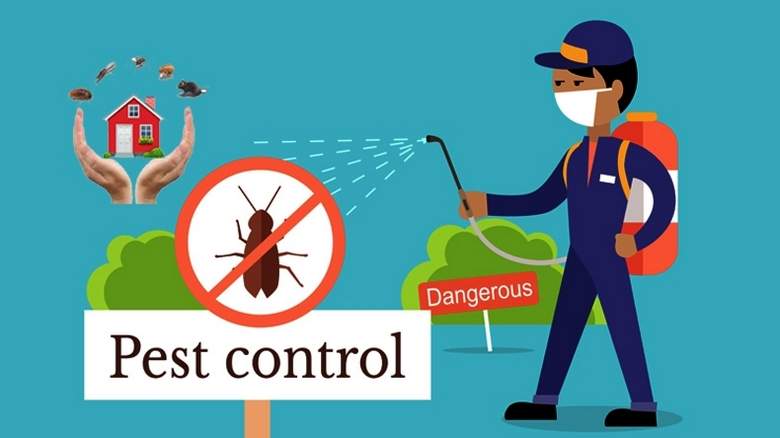
A professional pest control treatment generally initiates with a thorough inspection to identify pest kinds, penetration places, and encouraging conditions contributing to the concern. The technician should spend care examining both inside and outdoor areas, paying special attention to food preparation areas, wash areas, lower levels, and perimeter structural supports where pest activity frequently concentrates. Upon completing this examination, the professional should describe their findings in depth and suggest a treatment approach designed to your specific condition, reviewing both the target creatures and the procedures proposed for managing them. You may get arrangement directions before procedure, possibly involving repositioning furniture, emptying certain locations, or safeguarding pets. During the application, the expert will administer appropriate substances to targeted locations depending on the pest species determined, centering on openings, openings, and pest hiding locations rather than scattering treatments across entire spaces. They may install observation devices like pest snares or food devices that help monitor development and offer persistent defense. After completing services, a expert should detail any after-service care instructions such as air circulation standards, occupancy intervals, or surfaces to wash. Before going, they should schedule return visits if required for especially challenging organisms like bed bugs or German insects that typically demand several services for total eradication. Throughout this process, professionals should accept questions and provide understandable information about the substances and procedures used, reflecting their preparation and devotion to both efficiency and security.
Successful pest control is an essential component of maintaining safe, protected home and business settings in New Jersey. From the moist summers that produce mosquitoes and ticks to the frigid periods when small mammals pursue refuge interior, pest threats persist a annual concern for inhabitants and organizations in Monmouth County and Matawan. By knowing common creatures, employing protective procedures, and realizing when to pursue qualified assistance, home operators can protect their holdings and the health of occupants.
Using a proactive system to pest control is consistently increasingly effective and budget-friendly than reacting to developed issues. Regular assessments, correct upkeep, and tackling small troubles before they worsen can prevent the major costs and interruptions connected with serious pest troubles. When qualified support becomes necessary, deciding on a trustworthy, certified pest control specialist who utilizes integrated pest management approaches delivers efficient solutions with small ecological effect.